Founder-led market testing
Investigate a narrow segment, identify observable pain signals, and preserve contrary evidence. The output supports discovery conversations rather than pretending a market hypothesis is proven.
Use cases by operating team
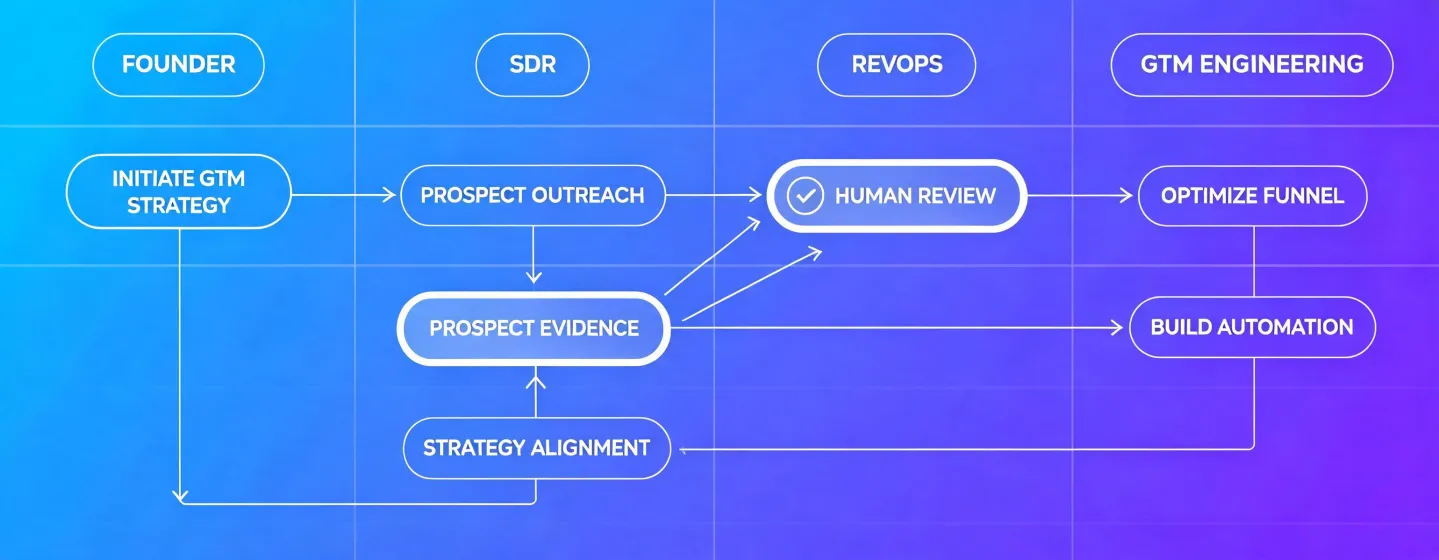
Founders, SDR teams, RevOps operators, and GTM engineers share the need for relevant accounts, but their evidence standards and next actions differ. Each workflow below keeps those boundaries visible.
Industry pillars
Investigate a narrow segment, identify observable pain signals, and preserve contrary evidence. The output supports discovery conversations rather than pretending a market hypothesis is proven.
Combine firmographic fit with current public signals. Reviewers validate source recency, role relevance, exclusions, and suppression requirements before contact research or drafting.
Create controlled evaluation sets for contact data, waterfall enrichment, and workflow cost. Unknown fields stay explicit, making provider comparisons more defensible.
Compose agent tasks with permission boundaries, structured outputs, secret handling, and human-in-the-loop checkpoints that can be tested inside the team’s runtime.
Transformation cases
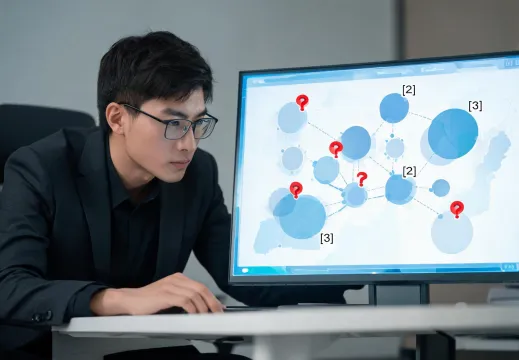
A founder defines the problem, buyer role, region, exclusions, and two required signals. The agent produces a SAMPLE set for manual review, exposing where evidence is thin.
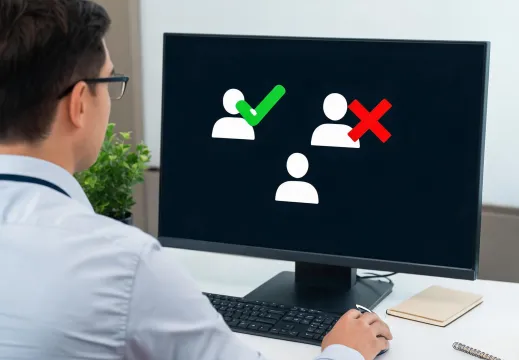
An SDR manager checks relevance before contact discovery. Drafting happens only after the account and role context have passed a human gate.
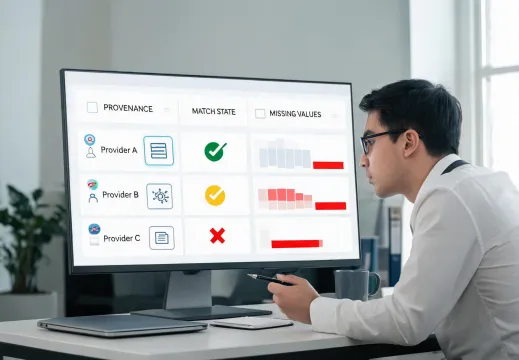
A RevOps analyst uses the same records and required fields across providers, then measures match quality, freshness, and cost in the team’s own environment.
Copy the command, inspect the package, and begin with a narrow brief that a reviewer can challenge. Keep the initial territory small, label all SAMPLE records, and preserve the distinction between observed signals and inferred fit. A person should approve targeting, enrichment, drafting, suppression handling, and every external send according to the team’s policy and the recipient’s region.
npx -y @okki-global/okki-go-taroball