-
The buyer-side FAQ
-
1. How do AI sales assistant features fit into an agent-native prospecting workflow?
-
2. What is the okki go human review workflow, and why does it matter?
-
3. What should I test when comparing Okki Go alternatives?
-
4. How important is the email sequence feature in lead generation software?
-
5. Do AI sales assistant features replace human SDRs?
-
6. Is Okki Go more expensive than the alternatives?
-
7. What question do most buyers forget to ask?
-
1. How do AI sales assistant features fit into an agent-native prospecting workflow?
I'm the person who gets called in when a sales team has sat through three demos and still can't decide. I manage purchasing and vendor contracts for a 110-person B2B company, which means I look at software from a different angle than the person who uses it every day. When our RevOps lead asked me to compare okkigo alternatives, I didn't start with the pricing page. I started with workflow.
Below is the buyer-side FAQ I wish I had before the demos started. I'm not an SDR, so this isn't a post about writing the perfect cold email. It's about how to choose a prospecting platform when several tools claim to do the same thing.
The buyer-side FAQ
1. How do AI sales assistant features fit into an agent-native prospecting workflow?
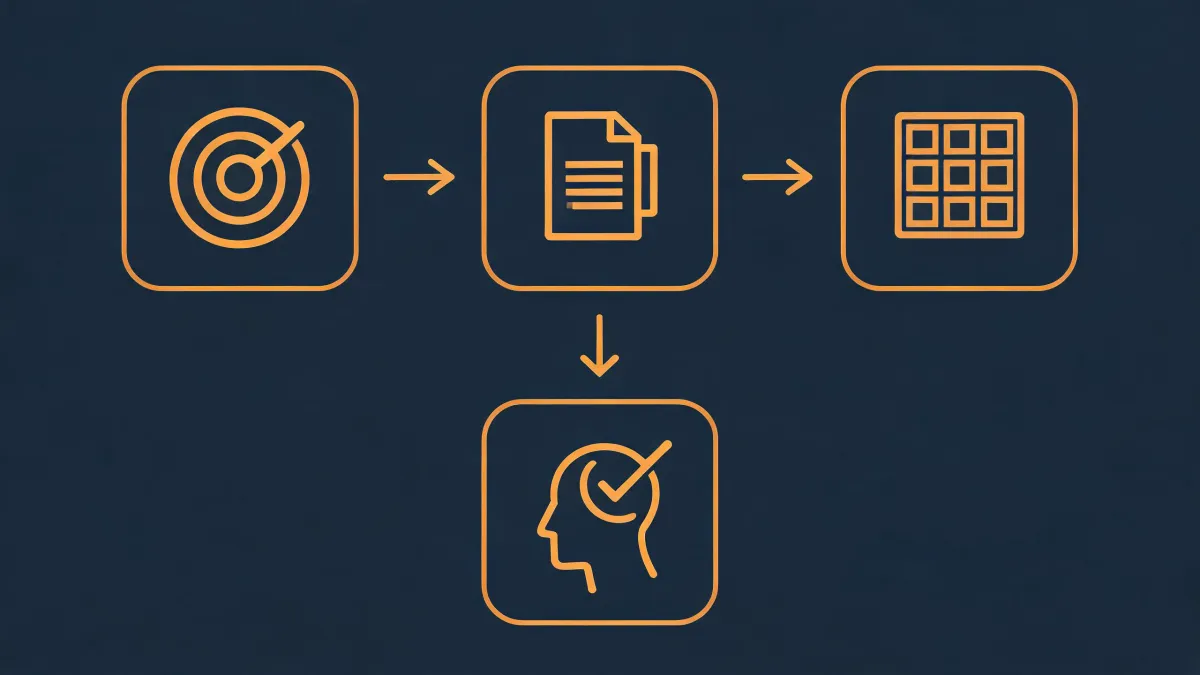
The first thing I had to untangle was the phrase agent-native. Okki Go is an AI SDR sales prospecting platform, but it isn't just a database with a chatbot bolted on. AI sales assistant features are like the hands; the agent-native workflow is the checklist. A lead comes in, the tool enriches the contact, verifies the email, pulls a signal from intent data, and drafts an email sequence step.
What makes that agent-native instead of just a collection of features is that it all happens in one flow. You ask in natural language for accounts that fit a certain profile, and the tool knows the next step: research, enrich, sequence, review. The assistant features add speed. The workflow keeps context.
If you're comparing okki-go alternatives, ask whether each feature can build on the previous step. A tool that forgets your ideal customer profile after the first search is not agent-native, even if the marketing page says it is.
2. What is the okki go human review workflow, and why does it matter?
The okki go human review workflow means the agent can prepare outreach, but a person approves the final message before it moves into the sequence. If the goal is a fully hands-off tool, that extra step can look like a limitation. I'd argue it's exactly what makes the platform worth considering.
For us, the human step is a guardrail. AI can draft a follow-up and remind me why this account was in the list. A human still decides whether the message sounds like us and whether the timing is right. In our 2024 vendor consolidation project, that was the deciding factor. If a tool couldn't show me where a human reviews work before sending, I read that as a future compliance problem.
3. What should I test when comparing Okki Go alternatives?
The best way to compare Okki Go alternatives is to put the same sample list through every candidate. Use your list, not the one the sales rep prepared. Check whether the lead generation software handles your industry, your geography, and your company size without falling apart.
I wish I had tracked data origin more carefully in our first evaluation. What I can say anecdotally is that if a rep can't explain where a contact record came from, the data quality usually won't hold up. One tool we tested looked fine in the dashboard but produced noticeably more bounces when we ran the list through our normal verification. I don't have hard data on why, because we stopped testing at that point.
4. How important is the email sequence feature in lead generation software?
An email sequence is more than a list of follow-ups. It needs to pause when someone replies, respect opt-outs, and give a person time to edit the next step. If the sequence just keeps sending after a prospect says not now, the tool is working against your team.
There is also a compliance part that often gets ignored. Per the FTC's CAN-SPAM Rule (ftc.gov), commercial email must have accurate subject lines and include a valid physical postal address. I don't mention that to be the legal person in the room. I mention it because deliverability depends on both technical setup and message-level trust.
From a buyer's point of view, email sequence design matters more than the library of templates. Templates are easy to copy. A sequence that stops, updates, and re-routes based on replies is hard to build yourself.
5. Do AI sales assistant features replace human SDRs?
This came up in almost every internal conversation about Okki Go. The answer for our team was no, not in a real B2B sale. The point of AI sales assistant features is to handle the research-heavy parts so a person can spend more time on the conversations that matter.
Once we stopped treating an AI SDR as an overnight robot and started seeing it as an agent-native prospecting workflow, the buying decision got easier. We didn't need a tool that sounded human. We needed a tool that removed repetitive steps without losing context. Okki Go's human review workflow is the bridge between speed and judgment.
6. Is Okki Go more expensive than the alternatives?
I looked at cheaper tools, so I'll be direct about this: price per user does not capture the full cost. Some Okki Go alternatives advertise a lower price for the core lead generation software, then charge separately for verification, enrichment, or sequence sending (which, honestly, made the pricing comparison almost useless).
I also won't quote current prices here because software pricing changes quickly. From a total cost perspective, Okki Go made sense for us because it reduced the number of separate systems we had to manage. The cheapest vendor in the room is rarely the least expensive one in the end—I've learned that lesson more than once.
7. What question do most buyers forget to ask?
The question is not how many contacts are in the database. It's what happens when a prospect replies and says not right now, reach out in a few months. If the email sequence doesn't stop, or if the AI picks up only new leads and ignores the response, you don't have a prospecting workflow. You have a notification system that creates more cleanup work.
Ask to see a demo that starts with a reply, not a cold send. The best Okki Go alternatives will show you the human review step, then show where the reply lands and how the sequence changes. That is the moment where the tool proves whether it actually fits an agent-native workflow.