-
Why a Procurement Person Cares About Sales Workflows
-
The Search: Lindy AI Kept Coming Up
-
First Attempt: I Almost Gave Up
-
Where the Google Sheets Integration Saved the Project
-
What Contact Enrichment Actually Means in an Agent-Native Workflow
-
The Results
-
What I'd Tell Another Admin Who Gets Pulled Into a Sales Project
The Monday morning meeting started like any other. Our sales lead, Maya, shared her screen to show me a Google Sheet with 2,300 rows of contacts. Some rows were marked "maybe." Some had notes like "email bounced" or "no luck yet." A lot of them, honestly, were probably out of date.
"I don't have time to clean this up," she said. "And I definitely don't have time to write a personalized email for each of these people."
That's how I, the office administrator, ended up researching AI sales tools.
Why a Procurement Person Cares About Sales Workflows
I've been managing vendors and internal requests for about five years now. I process purchase orders, coordinate with our accounting team, and make sure people have what they need to do their jobs. My job is basically: keep things running smoothly.
That's why this spreadsheet bugged me. It wasn't just a sales problem. It was a workflow problem. And I've learned the hard way that broken workflows cost more than people think. Back in 2023, I watched a vendor who couldn't provide proper invoicing cost us $2,400 in rejected expenses. Since then, I've been kind of obsessed with making sure processes actually work.
So when Maya asked for help, I didn't just say "let me find you a tool." I said "let me look at how you actually work."
The Search: Lindy AI Kept Coming Up
I started searching. "B2B prospecting tools." "Email sequences for sales teams." "Contact list cleaner." I found a lot of point solutions. One tool for data enrichment. Another for email verification. Another for LinkedIn automation. Another for sending sequences. Which means setting up maybe four different subscriptions and figuring out how to make them talk to each other.
That's a red flag in my book. As the person who manages vendor contracts, I've learned that every new tool adds hidden costs: training time, integration headaches, another login to manage.
Lindy AI kept showing up in search results. Specifically, the Lindy AI agents platform for 2025 kept being described as an agent-native platform, not just another automation tool. The Google Sheets integration caught my attention because that's where Maya's contact list actually lived.
The numbers said Lindy AI was a reasonable pick. The free tier meant I could test it without a procurement approval process. My gut said something else: "You're an admin. What are you doing building an AI agent?"
I tried it anyway.
First Attempt: I Almost Gave Up
I created my first Lindy AI agent on a Tuesday. It went badly. I uploaded the CSV from Maya's Google Sheet without mapping the columns properly. The agent pulled the phone number field into email sequences. We almost sent "Hi {phone number}, I noticed your company…" to a few hundred people.
I stopped the workflow, went back to the Google Sheets integration, and re-checked the column mapping. It took about forty minutes to fix. In that moment, I nearly deleted the whole thing and went back to recommending HubSpot or something.
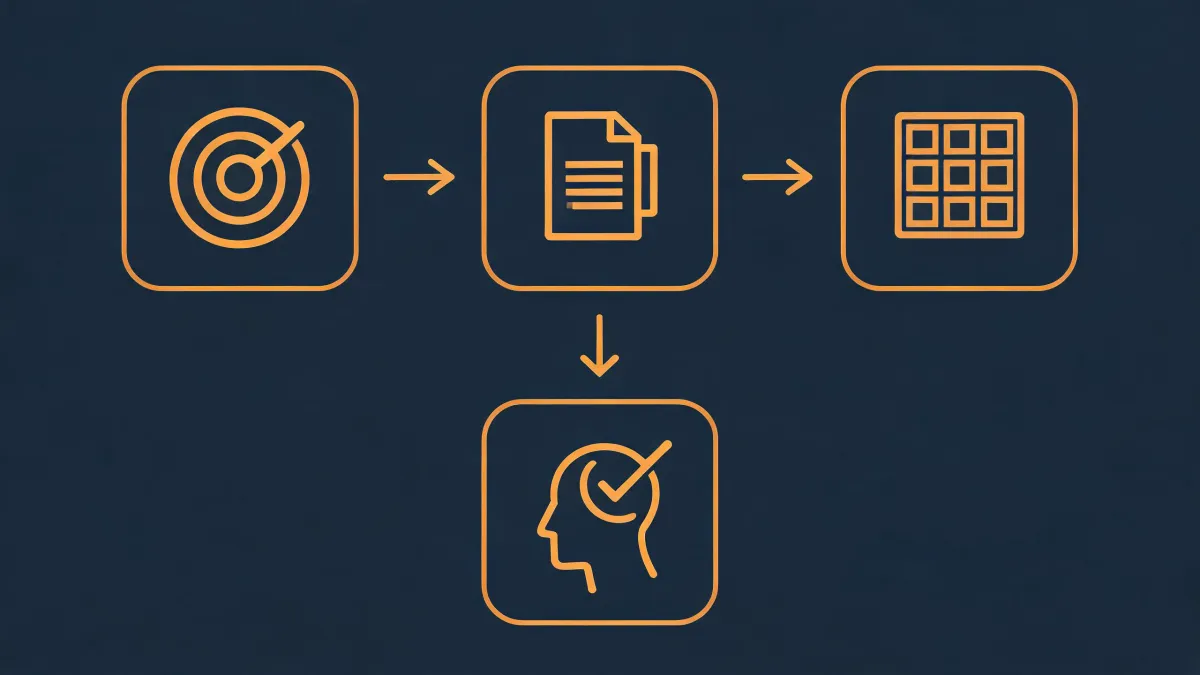
But I decided to take the Lindy AI certification course first. I'm not 100% sure it was necessary, but it helped me understand how agent-native workflows are supposed to fit together. Not just "send an email" but: check the contact list → enrich the missing fields → verify the email → draft the sequence → send → log replies back to Google Sheets.
That's when things clicked.
Where the Google Sheets Integration Saved the Project
The Lindy AI Google Sheets integration turned out to be the bridge between the messy real world and the automated one. Maya's team updates the contact list all the time. New names get added, old ones get marked "out of office," notes go in the "status" column.
Instead of exporting and importing files, the agent reads the sheet directly. If a row has a blank email, the agent can trigger contact enrichment. If the email pattern looks wrong, it can verify it as part of the workflow.
According to USPS pricing effective January 2025, a First-Class Mail letter costs $0.73. So cold physical mail isn't exactly cheap either. But the point isn't physical vs. digital—it's that both require clean data to work. A prospect with the wrong email address is no better than a letter sent to the wrong address.
What Contact Enrichment Actually Means in an Agent-Native Workflow
Before this project, I thought contact enrichment was just "add missing info to a list." You know, take a name and company, fill in the email, job title, and maybe a phone number. A data lookup. Then you export the finished list and import it into your email tool.
That's not how agent-native prospecting workflows work. The enrichment step isn't a separate thing you do before sending. It's built into the agent's flow: the agent checks the database, finds missing or stale fields, calls an enrichment source, validates the result against known patterns, and then sends the email sequence.
It took me about a month and maybe 20 agent runs to understand that this distinction matters. The value of Lindy AI wasn't any single feature. It was the ability to design the whole sequence as one workflow. The contact list, the enrichment, the email sequences, the follow-up rules—all connected.
Per FTC guidelines, email outreach also has to be truthful and not misleading. That sounds obvious, but it's worth checking your templates for stuff like fake urgency or ambiguous references to a "mutual connection" when there isn't one. AI agents will happily send whatever you put in the template, so the template needs to be right.
The Results
I'm not going to tell you this was a game-changer that magically filled the pipeline. That's not how things work. What I can say is: the time Maya's team spent managing the contact list dropped from about six hours a week to less than one. They stopped losing leads because an email bounced. New contacts from conferences go straight into the Google Sheet, and the agent picks them up automatically.
For me, the win was simpler: I built something that made a team's job easier. And I didn't have to buy four different tools to do it. Lindy AI's transparent pricing—which, full disclosure, was what originally made me trust them enough to try the free tier—meant I could estimate the renewal cost without a spreadsheet of my own.
What I'd Tell Another Admin Who Gets Pulled Into a Sales Project
If you end up in this situation—maybe you're the person who's "good with spreadsheets" or the one who manages vendor relationships—here's my advice.
First, start with the workflow, not the tool. Map out how your team actually handles contacts today. You'll probably find that the process has more steps than anyone realizes.
Second, don't be afraid to break things. My first agent sent phone numbers into email templates. I fixed it, learned how the system works, and moved on.
Third, take advantage of free tiers and certification courses. The Lindy AI certification program is set up to get you building real workflows, not just slides about what AI can do. That's rare in this industry.
To be fair, a lot of these platforms do similar things under the hood. Other tools have enrichment, others have built-in sequences, and plenty of no-code platforms can glue things together. If you already have those tools and a working process, switching isn't a no-brainer. But if you're starting from zero—or trying to replace three disconnected subscriptions with one workflow—an agent-native platform is worth a look.
Bottom line: the future isn't about AI replacing human work. It's about AI absorbing the parts of human work that were never the actual job. Cleaning a contact list isn't selling. Enriching data isn't selling. Sending follow-ups isn't selling. Doing all of that automatically, in the background, is. And that's exactly what an agent-native workflow is built for.
I'm still an admin. I still manage vendors and purchase orders and the occasional office snack order. But now I also manage an AI agent that helps our sales team actually talk to people. That's a workflow I'm proud of.