In January 2025, our VP of Sales dropped a renewal spreadsheet on my desk. Six SDRs. Three sales tools. One line item that made me close the door: $126,000 in annual sales tech spend. I’m a procurement manager at a 45-person B2B services company. I’ve managed this budget for four years, negotiated with 30+ vendors, and logged every invoice in our cost tracking system. My job isn’t to buy the shiniest AI agent. It’s to stop us from paying twice for the same bad data.
So when the team asked for okki-go and described an “agent-native prospecting workflow,” I did what I always do. I asked for a 60-day pilot, a control group, and a TCO spreadsheet.
The renewal that started the audit
Our stack looked fine on paper. Contact database. Enrichment API. Email sequencer. Intent data. But SDRs were spending 25 to 30 minutes per account on manual research: checking LinkedIn, copying titles, guessing emails, pasting notes into our CRM.
When I audited our 2024 spending, 38% of the sales tech budget went to data and enrichment. Another 22% went to sequencing. 18% went to intent. The rest was spread across smaller tools. We were paying for data, but the team still didn’t trust it.
It’s tempting to think data enrichment sales automation is just “append a company name and title.” But that misses the real problem. Bad enrichment doesn’t just cost credits. It costs SDR time, deliverability, and brand perception.
The pilot: two pods, one spreadsheet
We split six SDRs into two pods. The control pod kept our existing workflow. The pilot pod used okki-go’s okki go AI agent for okki go account research, waterfall enrichment, and email sequences. We kept a human-in-the-loop rule: the agent could draft, but every sequence needed SDR approval. No auto-send.
I tracked five numbers: verified email rate, bounce rate, research time per account, meetings booked, and pipeline created. I did not ask for guaranteed reply rates. Vendors who promise those don’t get my signature.
The first two weeks looked bad. The pilot pod sent 31% fewer emails. Our VP asked if I was trying to kill the project. I almost did. Had 48 hours before the renewal window closed. Normally I’d run a longer pilot, but there was no time. I went with the limited data: fewer sends, but cleaner data.
The number that changed my mind
Week three review. The control pod’s bounce rate was 9.4%. The pilot pod’s was 1.8%. Research time dropped from 26 minutes per account to 7 minutes. That changed the math.
The SDRs weren’t just saving time. They were writing better first lines because the okki-go agent pulled account context, recent intent signals, and verified contact details into one place. One prospect replied: “I can tell you actually read our 10-K.” That’s not a vanity metric. That’s brand.
Every wrong first name, stale title, or irrelevant pitch is a brand impression. Saving pennies per contact but sending sloppy emails costs more in client perception. I’m not saying budget tools are always bad. I’m saying low-quality data is expensive in ways the invoice doesn’t show.
Per FTC business guidance (ftc.gov), advertising claims must be truthful, not misleading, and substantiated. That applies to outbound emails too. If your enrichment pipes in “facts,” someone has to verify the claims your agent turns into copy.
I’m not a data engineer, so I can’t speak to how the waterfall resolves conflicts between providers. What I can tell you from a procurement perspective is that you need to price the gaps, not just the records.
How does data enrichment capabilities fit into an agent-native prospecting workflow?
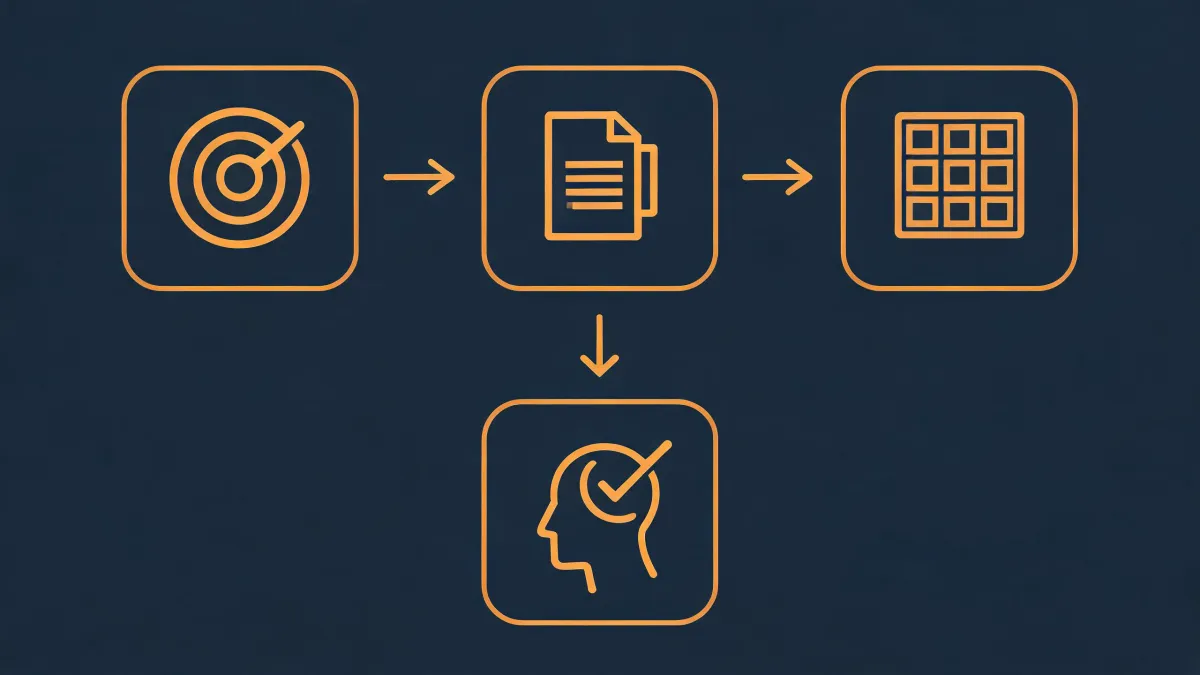
Here’s the thing: enrichment isn’t a step. It’s the fuel line. In our pilot, the workflow looked like this:
- Account research: The agent builds an account brief from firmographics, tech signals, hiring signals, and recent news.
- Identity resolution: It dedupes domains, contacts, and CRM records so the SDR isn’t working three versions of the same person.
- Waterfall enrichment: It tries multiple providers in sequence to fill missing emails, titles, phone numbers, and company details.
- Intent and qualification: It prioritizes accounts showing buying signals instead of blasting the whole list.
- Email sequence drafting: It drafts email sequences using enriched context, not generic merge fields.
- Verification and compliance: It checks bounces, suppression lists, and claim language before anything leaves the building.
- Human review: The SDR edits, approves, sends, and owns the relationship.
- Feedback: Replies, bounces, and meetings feed back into suppression and enrichment rules.
If you skip enrichment, agent-native prospecting becomes faster spam. If you skip human-in-the-loop, you get brand risk at scale.
What I’d do differently
We kept okki-go for the pilot pod and expanded after 90 days. Not because it was the cheapest option. Because the total cost of ownership was lower once we counted manual cleanup, stale records, and the redo risk from bad data.
Looking back, I should have audited data quality before negotiating. At the time, I was focused on seat price. If I could redo that decision, I’d start with 90-day bounce rate, duplicate rate, and research time per account. Then I’d ask vendors to price against those gaps.
I don’t have hard data on industry-wide benchmarks. What I can say anecdotally is that our pilot’s biggest gain wasn’t volume. It was fewer sloppy touches. In B2B services, sloppy touches are a brand tax.
My procurement checklist for agent-native prospecting
- Model TCO over 12 months, including credits, API overages, seat minimums, and SDR cleanup time.
- Run a control pod. Measure bounce rate, research time, approval time, and meetings booked.
- Ask how data enrichment handles waterfall gaps. Which provider fills what? What happens when all fail?
- Keep human-in-the-loop. The agent drafts. The human approves.
- Check claims against FTC guidance. Don’t let automation say things you can’t substantiate.
Agent-native prospecting can work. But data enrichment isn’t a checkbox. It’s the part that decides whether your email sequences sound like research or noise.